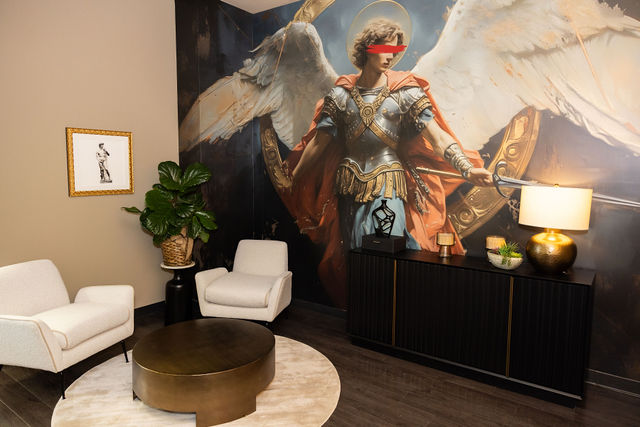
Intensive Outpatient Program in Tinton Falls, New Jersey
Clinically structured addiction treatment and mental health care that fits around work, school, and family. Our Monmouth County NJ intensive outpatient program delivers 3-day and 5-day tracks, in person at our Tinton Falls facility and through secure New Jersey telehealth.
Medically reviewed by Dr. Justin Skolnick, DO, Medical Director. Last reviewed June 7, 2026.
What is an Intensive Outpatient Program?
An intensive outpatient program (IOP) is ASAM Level 2.1 structured addiction treatment and behavioral health care: focused clinical care offering 9 to 15 hours of treatment per week, delivered while clients live at home and keep working, parenting, and studying. This level of care sits below partial hospitalization and above traditional outpatient on the ASAM continuum, giving you real structure without an overnight stay or residential placement.
At The Archangel Centers in Tinton Falls, NJ, our IOP serves two groups: people stepping down from a Partial Hospitalization Program (ASAM Level 2.5) and people entering this addiction treatment program directly who need more than weekly therapy but not full-day care. The American Society of Addiction Medicine (ASAM) Criteria, the placement framework recognized by the New Jersey Division of Mental Health and Addiction Services (DMHAS), guides which level of care fits each client. Sessions run mornings or evenings so recovery fits around real life rather than replacing it.
Our clinical team maintains referral relationships with area healthcare networks, including partners affiliated with RWJBarnabas Health, to coordinate transitions between levels of care and support continuity for clients across Monmouth County and New Jersey.
If you are wondering whether IOP in NJ is the right fit, the answer often depends on medical stability, home environment, and how much structure you need each week. Many people with alcohol and drug addiction do not need inpatient treatment to recover. A compassionate clinician completes the ASAM assessment, matches you to the correct level, and builds an individualized treatment plan from there.
Who is intensive outpatient treatment appropriate for in Monmouth County?
This program fits adults who are medically stable, have a safe and supportive home, and need concentrated therapy without daytime-long structure. It treats mild to moderate substance use disorders involving alcohol, opioids, cocaine, benzodiazepines, and other substances, including co-occurring mental health conditions such as anxiety disorders, depression, trauma, and mood disorders. Clients commute to our Tinton Falls facility from across Monmouth County: Red Bank, Eatontown, Long Branch, Asbury Park, Neptune, Freehold, and Middletown, plus Toms River and Brick in neighboring Ocean County, with secure virtual treatment available across New Jersey.
Drug addiction and alcohol and drug addiction affect people at every stage of life. This program is built for adults who want real addiction treatment and mental health services without stepping away from their responsibilities. Whether you are a working professional, a parent, or a student, the schedule is designed so treatment fits your life.
- Clients stepping down from PHP or partial care who are ready for a lower intensity
- Adults with mild to moderate alcohol and drug addiction and stable housing
- Working professionals and students who need addiction treatment programs that flex around their schedule
- People with co-occurring anxiety disorders, depression, or trauma who need ongoing psychiatric support
- Anyone strengthening relapse-prevention skills after an earlier substance abuse treatment episode
What does the IOP schedule look like?
The Archangel Centers offers 3-day and 5-day tracks, each built around group and individual therapy sessions of roughly three hours. The morning track runs 9 a.m. to noon and the evening track runs 6 p.m. to 9 p.m., so clients can choose the window that protects work, school, and family time. A typical week blends group and individual sessions, weekly individual therapy, and skills education so clients apply what they learn the same day.
The 5-day track delivers more weekly structure and suits clients stepping down from PHP or carrying higher relapse risk. The 3-day track fits people who are stabilizing and ready for less intensity. Group sizes stay small enough for individual attention, and a compassionate clinician adjusts each track and individualized treatment plan as progress warrants.
- Three to five group therapy sessions per week depending on the track
- Weekly individual therapy with a licensed NJ clinician
- Psychoeducation on triggers, coping skills, and relapse prevention
- Medication management and psychiatric check-ins as clinically indicated
- Individual and family therapy plus recovery-support coordination across Monmouth County
What therapies and treatment services are included?
Our treatment services include the same evidence-based options applied across our continuum of care, scaled to an outpatient rhythm. The clinical core is Cognitive Behavioral Therapy (CBT) and Dialectical Behavior Therapy (DBT), reinforced with motivational interviewing, contingency management, and trauma-informed individual work, much of it drawn from the SAMHSA-recognized Matrix Model for stimulant and substance use challenges.
For clients with opioid use disorder, the program coordinates medication-assisted treatment including buprenorphine (Suboxone), Sublocade, and naltrexone (Vivitrol). For alcohol use disorder, the medical team may use naltrexone or acamprosate. Medication is always paired with therapy and managed by a clinician, never delivered in isolation.
Family therapy is a core component of this program. Addiction affects families, and recovery is stronger when the people closest to you understand what is happening. Individual and family therapy sessions are scheduled to fit around caregiving and work demands.
- Cognitive Behavioral Therapy (CBT) and Dialectical Behavior Therapy (DBT)
- Motivational interviewing and trauma-informed individual therapy
- Process groups, psychoeducation, and the Matrix Model approach
- Medication-assisted treatment coordination: buprenorphine, naltrexone, acamprosate
- Naloxone education and overdose-prevention planning for opioid clients
- Individual and family therapy sessions woven into the weekly treatment plan
Dual diagnosis: addiction treatment and mental health together
Many people who enter our recovery center carry both a substance use disorder and a mental health condition. Our integrated dual diagnosis treatment addresses substance use and mental health in the same plan, because treating one without the other raises relapse risk. This is outpatient psychiatric and addiction care under one coordinated treatment team, not two disconnected care programs.
Health and substance use disorders occur together at high rates. Co-occurring disorders include anxiety disorders and depression, general mood and anxiety disorders, post-traumatic stress, and bipolar conditions alongside substance use. Each condition worsens the other, which is why integrated behavioral health care is the clinical standard. Each client receives individualized mental health services and addiction treatment woven into the recovery schedule, so good mental health and sobriety advance together.
Mental health and substance use disorders are not character flaws. They are health conditions that respond to treatment. If you have been told you need addiction treatment and mental health support, this program delivers both without requiring two separate appointments or two separate providers.
- Integrated addiction treatment and mental health services under one treatment team
- Psychiatric assessment, medication management, and symptom monitoring
- Therapy targeting co-occurring mental health conditions including anxiety, depression, and trauma
- One coordinated treatment team for substance use and mental health conditions
How long does IOP last?
Most clients remain in the program for eight to twelve weeks, though duration is individualized based on progress, recovery goals, and insurance authorization. As clients stabilize, they typically transition to outpatient therapy at the standard level (ASAM Level 1.0) and keep the same care team, preserving continuity that research links to stronger long-term outcomes for clients across New Jersey.
The treatment team builds an aftercare plan before discharge so progress carries forward. That plan can include ongoing therapy sessions, alumni support, and connection to Alcoholics Anonymous and Narcotics Anonymous meetings throughout Monmouth County. When a structured living environment helps, a referral to recovery housing or sober living is included.
How IOP compares to inpatient treatment and residential programs
Intensive outpatient treatment is a flexible alternative to inpatient treatment for clients who are medically stable and have a safe home. Inpatient treatment or a residential program keeps a person on-site around the clock, which suits acute medical risk or chaotic home environments. Many people do not need that intensity and recover well in addiction treatment programs that let them keep their job and family ties.
What to know about higher levels: medical detox and inpatient hospitalization handle acute withdrawal and stabilization, and a residential program provides 24-hour structure. The Archangel Centers does not provide on-site detox or 24-hour care. When a client needs that first, we coordinate placement with accredited partners, then step them into our substance abuse treatment services and outpatient care for continued support.
The question people often ask is: will IOP work for me if I have never been to treatment? The answer is yes, for the right candidate. A clinical assessment using ASAM Criteria determines fit. Many clients across New Jersey begin here directly and complete the full continuum from IOP to standard outpatient without ever needing inpatient care.
Does insurance cover IOP services in New Jersey?
IOP is a covered, billable level of care under most PPO and many HMO plans through the federal Mental Health Parity and Addiction Equity Act, which requires insurers to cover addiction treatment and mental health services comparably to medical care. NJ FamilyCare, New Jersey's Medicaid program, covers medically necessary substance abuse treatment services in New Jersey for eligible residents, and New Jersey expanded Medicaid under the Affordable Care Act.
As a licensed NJ outpatient provider, The Archangel Centers meets insurer requirements and verifies your benefits at no cost. Clients who are uninsured or out of network can ask about self-pay options or state-funded addiction treatment programs in NJ through DMHAS. We handle prior authorizations so you can focus on recovery, not paperwork.
Worrying about cost should not keep anyone from starting addiction treatment. Our admissions team walks through every insurance question before the first session. Many clients across Monmouth County are surprised to find their plan covers more of their treatment services than expected.
What to expect on your first day
Before you begin the program, a licensed clinician conducts a comprehensive intake assessment using the ASAM Criteria. This 60 to 90-minute conversation covers your substance use history, mental health background, current living situation, and personal recovery goals. Based on the assessment, the treatment team places you in the 3-day or 5-day track and pairs you with an individual counselor.
On your first day you will meet your group, review confidentiality guidelines, and receive your individualized care plan. Every client at our recovery center is treated with dignity from the first phone call through the last group therapy session. You do not need to prepare anything special: just show up ready to work, and the clinical team handles the rest.
Many people feel nervous about their first day. That is normal. The group setting is structured but supportive. You will not be asked to share more than you are comfortable with. Confidentiality is protected under federal 42 CFR Part 2 and HIPAA. What happens in therapy sessions stays there.
How to start addiction treatment in NJ
Starting is straightforward. Call (888) 464-2144 or use the verify insurance form online. An admissions coordinator answers questions about substance abuse treatment, mental health conditions, insurance, and scheduling with no pressure and no commitment required.
Most clients are assessed and scheduled within 24 to 48 hours of their first call. If you are stepping down from inpatient treatment or partial care at another facility, our team coordinates the transfer so there is no gap in care. If you are coming in directly, the intake assessment determines the right level and track from day one.
Services in New Jersey for substance use disorder and co-occurring mental health conditions are more accessible than most people realize. You do not need a referral to call. You do not need to hit a crisis point first. If you are asking whether you need help, that is reason enough to call.
Frequently asked questions
Can I keep working while I attend IOP in Tinton Falls, NJ?
Yes. Intensive outpatient treatment is built to flex around employment, parenting, and school. With morning sessions from 9 a.m. to noon and evening sessions from 6 p.m. to 9 p.m., plus 3-day and 5-day tracks, most clients keep their jobs and routines. You attend set therapy sessions each week and go home afterward, and everything stays confidential under federal 42 CFR Part 2 and HIPAA regulations.
What is the difference between the 3-day and 5-day tracks?
The 5-day track delivers more weekly structure and suits people stepping down from PHP or carrying higher relapse risk. The 3-day track fits clients who are stabilizing and ready for less intensity. Both run roughly three-hour sessions totaling 9 to 15 hours per week at ASAM Level 2.1. A clinical assessment determines which track fits your needs and individualized treatment plan.
Is IOP covered by NJ FamilyCare or Medicaid in New Jersey?
Yes. NJ FamilyCare, New Jersey's Medicaid program, covers medically necessary IOP and other substance abuse treatment services for eligible residents, and New Jersey expanded Medicaid under the Affordable Care Act. Most commercial PPO and many HMO plans also cover this level of addiction treatment under the federal Mental Health Parity and Addiction Equity Act. The Archangel Centers verifies your benefits at no cost before admission.
Is virtual IOP as effective as in-person treatment?
Telehealth IOP produces outcomes comparable to in-person care for clinically appropriate, medically stable clients, according to SAMHSA guidance on virtual behavioral health services. The Archangel Centers offers secure virtual therapy sessions for New Jersey residents who have a private space and reliable connection. A clinical assessment confirms whether virtual, in-person, or hybrid attendance fits your situation and treatment plan.
Do I need inpatient treatment or residential care before IOP?
Not always. Many clients step down from a Partial Hospitalization Program, but this program is also a valid starting point for addiction treatment. A clinical assessment using the ASAM Criteria determines the right entry level based on your history, substance use, home environment, and any co-occurring mental health conditions. Some clients begin here directly; others start at a higher level of care and move into outpatient services afterward.
Does IOP include medication for opioid or alcohol use disorder?
Yes. For clients with opioid use disorder, the program coordinates medication-assisted treatment including buprenorphine (Suboxone), Sublocade, and naltrexone (Vivitrol). For alcohol use disorder, the medical team may use naltrexone or acamprosate. Medication is paired with CBT, DBT, and group therapy sessions, and managed by your treatment team alongside your outpatient schedule.
What happens after IOP at The Archangel Centers?
Most clients step down to a standard outpatient program (ASAM Level 1.0) for continuing treatment, keeping the same care team. The team builds an aftercare plan that can include ongoing therapy sessions, alumni support, and connection to Alcoholics Anonymous and Narcotics Anonymous meetings across Monmouth County. When a structured living environment helps, the plan can include recovery housing or sober living.
Does The Archangel Centers provide detox during IOP?
No. The Archangel Centers is an outpatient provider and does not offer medical detox or 24-hour care on-site. When a client needs medically supervised withdrawal first, for example after heavy drug and alcohol use, we coordinate that placement with accredited partners and step the client into our substance abuse treatment program afterward for continued care.
Does the program treat anxiety and mood disorders alongside addiction?
Yes. Our dual diagnosis treatment model addresses co-occurring mental health conditions including mood and anxiety disorders alongside addiction or substance use because both influence each other's severity and relapse risk. Clients receive a coordinated outpatient psychiatric and addiction plan managed by a single treatment team, producing better outcomes than two disconnected care programs running in parallel.
What is the difference between IOP and a partial hospitalization program in NJ?
A partial hospitalization program (PHP) is ASAM Level 2.5 and runs 20 to 30 hours per week, typically five or six days. Intensive outpatient is ASAM Level 2.1 and runs 9 to 15 hours per week across three to five days. PHP suits people who need more daily structure, supervision, and medical monitoring. IOP fits people who are stabilizing and can safely manage evenings and weekends at home. Many clients move from PHP to IOP as part of a planned step-down in the continuum of care.
How do I know if my drug or alcohol problem is serious enough for IOP?
If alcohol and drug addiction is affecting your health, relationships, work, or ability to stop on your own, a clinical assessment is the right next step. You do not need to reach a crisis point to qualify for addiction treatment programs in NJ. The ASAM assessment at The Archangel Centers determines the right level of care based on your current situation, not a threshold of severity. Many people who call wondering if they need help are exactly the right candidate for IOP.
More outpatient care in Tinton Falls
- PHP in Tinton Falls
- OP in Tinton Falls
- Our Tinton Falls facility
- Intensive Outpatient Program treatment guide
Treatment by substance in Tinton Falls
Intensive Outpatient Program addresses the full range of substance use. Explore our Tinton Falls programs by substance: