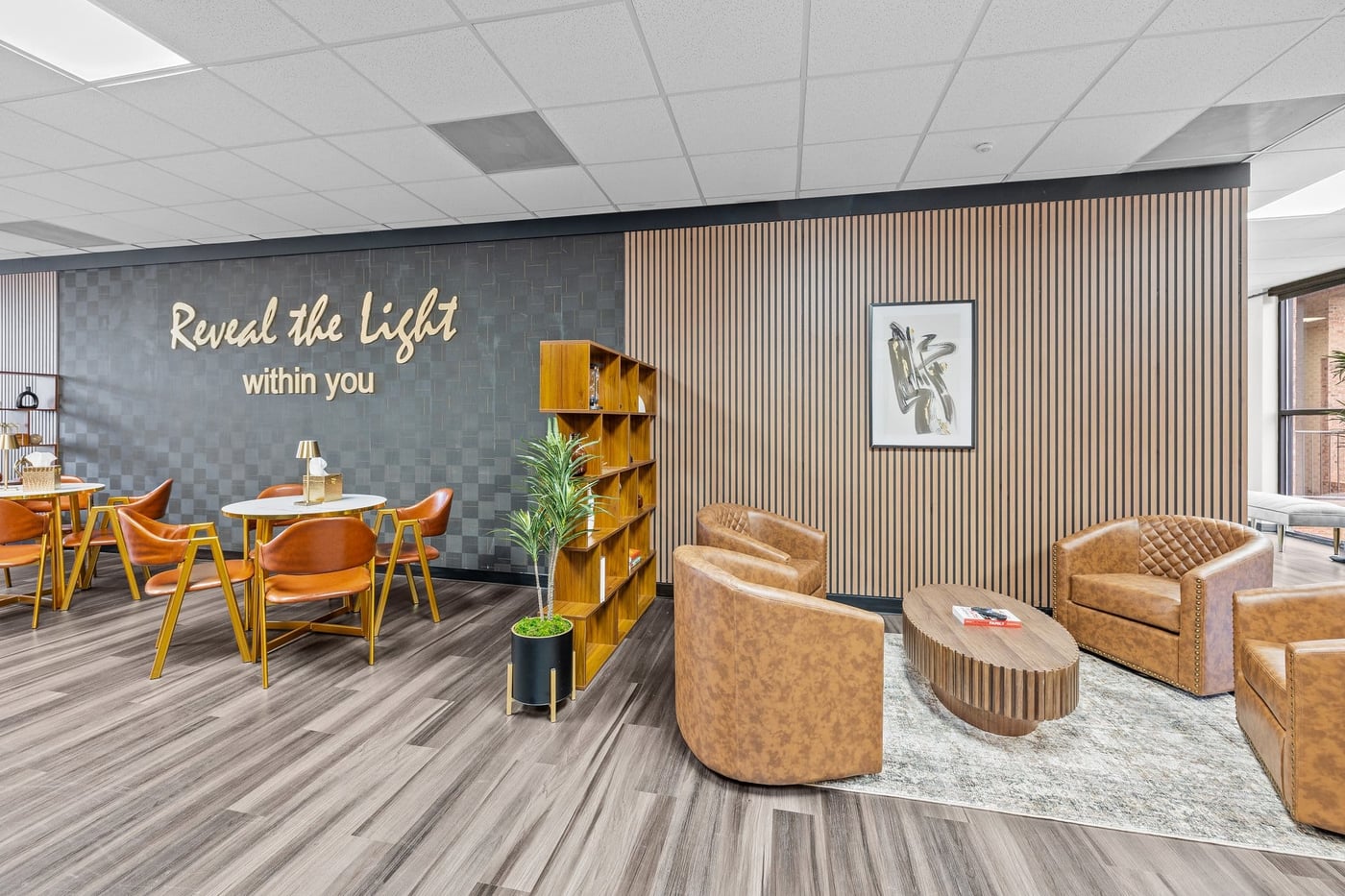
Drug Rehab in Charlotte, North Carolina
Compassionate, evidence-based addiction treatment in Charlotte, North Carolina, for stimulants, prescription drugs, and the very common case of using more than one substance at once. The Archangel Centers is an outpatient drug and alcohol rehab center serving Mecklenburg County, treating drug addiction and alcohol addiction across the ASAM continuum, Level 2.5 through Level 1.0, close to home. As an outpatient addiction treatment center located in Charlotte, we deliver the full range of treatment services, from intensive PHP through standard outpatient care. We serve Matthews, Huntersville, Pineville, and the wider Charlotte metro with one of the strongest outpatient treatment programs in the region. We accept most major insurance plans and North Carolina Medicaid. Call (704) 820-4386 for a free, confidential assessment.
Please note: The Archangel Centers is an outpatient provider in Charlotte, North Carolina, delivering Partial Hospitalization, Intensive Outpatient, and standard Outpatient care. We do not provide medical detox or inpatient and residential treatment on-site. When a clinical assessment shows one of those is needed first, we coordinate it with licensed, accredited North Carolina partners, then step you into our outpatient programs.
Medically reviewed by Dr. Justin Skolnick, DO, Medical Director. Last reviewed June 7, 2026.
What is outpatient drug rehab in Charlotte?
Outpatient drug rehab in Charlotte is structured addiction treatment you attend during the day while living at home, rather than checking into a residential facility. We deliver it across three ASAM levels, Partial Hospitalization (2.5), Intensive Outpatient (2.1), and standard Outpatient (1.0), so the intensity of care fits where you are on your recovery journey. This continuum of outpatient treatment programs is what allows one clinical team to carry you all the way from high-intensity daily sessions down to ongoing weekly care, without a disruptive handoff.
Our program provides evidence-based care for stimulants, prescription drugs, and polysubstance use while you keep your life in Mecklenburg County intact. One clinical team builds a personalized treatment plan around your history rather than slotting you into a template. Drug addiction rarely stays in one lane, so this broad track covers cocaine and methamphetamine, benzodiazepines and stimulant medications, and the drugs or alcohol people often mix together on top of anxiety, depression, ADHD, or trauma. We map treatment options to the root causes of addiction, not just the surface symptoms.
People across North Carolina reach this rehabilitation center easily. We draw clients from Matthews, Huntersville, Pineville, Concord, Gastonia, Mint Hill, Cornelius, and Indian Trail, off the I-77 and I-85 corridors and Independence Boulevard. For anyone searching rehabs in Charlotte, our location keeps a quality recovery center within a short drive. If alcohol is the leading concern, our alcohol addiction treatment track is the closer fit; if opioids are primary, our opioid program centers on medication-assisted treatment.
How does the ASAM continuum work for drug and alcohol treatment?
The ASAM Criteria match treatment intensity to clinical need across a defined continuum. We deliver all three outpatient tiers under one roof in Charlotte, so a person can step up or step down without losing their clinical history to a handoff between separate programs.
The team that knows your stimulant cravings in week one knows your relapse triggers in month three. That continuity protects long-term sobriety. As cravings settle and stability returns, the structure eases rather than the relationship breaking. Our addiction treatment programs are built to follow drug and alcohol addiction across that full arc with one consistent clinical team.
When a client needs alcohol and drug detox or residential treatment (ASAM 3.7 or 3.5), we coordinate that placement with accredited partners, then bring the person back into outpatient care once they are medically stable. Detox and residential treatment are never provided on-site; they are arranged through trusted partners as a bridge into ongoing recovery from substance use. Our partner facilities hold Joint Commission accreditation and Commission on Accreditation of Rehabilitation Facilities standing, the two marks that signal a credible treatment center.
- Partial Hospitalization Program (PHP), ASAM Level 2.5: our most structured tier, full clinical days about five days a week, built for early stimulant and polysubstance recovery when cravings peak. You return home each evening.
- Intensive Outpatient Program (IOP), ASAM Level 2.1: nine or more therapy hours a week, including contingency management and Matrix Model groups, scheduled around work, school, and family in the Charlotte area.
- Outpatient Program (OP), ASAM Level 1.0: lighter-touch continuing care once you have stabilized, with medication management for any co-occurring mental health condition and ongoing relapse-prevention work.
What therapies treat stimulant and polysubstance use disorder?
Stimulant use disorder, cocaine and methamphetamine, has no FDA-approved medication, so the primary treatment is behavioral and structural. We build the plan around contingency management and the Matrix Model, the approaches the National Institute on Drug Abuse identifies as most effective for stimulants, reinforced with individual counseling and group therapy. This is evidence-based addiction treatment matched to the person, not a one-size template.
Prescription drug and polysubstance recovery layer onto that foundation. We assess the full combination rather than treating one substance and ignoring the rest. Cognitive behavioral therapy, dialectical behavior therapy, and motivational interviewing each address a different dimension of drug and alcohol addiction, from the thought patterns feeding use to the emotional dysregulation that drives relapse.
- Contingency management, the proven standard for stimulant use disorder, reinforcing verified abstinence and program engagement.
- The Matrix Model, a 16-week framework combining relapse prevention, family education, and social support.
- Cognitive Behavioral Therapy to break the cycle between cues, cravings, and drug use.
- Dialectical Behavior Therapy for the emotion-regulation skills that protect recovery from stimulant rebound and crash.
- Motivational interviewing to build and sustain real behavior change.
- Dual-diagnosis behavioral health care so the addiction and underlying mental health drivers are treated in the same plan, which keeps the focus on getting and staying sober.
Do you treat substance use and mental health together?
Yes. Many people with a substance use disorder also live with a mental health condition, and treating only one leaves the other to pull recovery back down. We integrate mental health treatment into the same individualized plan, so the depression, anxiety, ADHD, or trauma underneath the drug use is addressed alongside the addiction.
This integrated approach to addiction and mental health treatment helps people in Charlotte recover for good instead of cycling through one program after another. Our clinicians coordinate medication and therapy so progress on co-occurring mental health conditions and progress on the drug addiction treatment itself reinforce each other. This is true dual diagnosis treatment that addresses the causes of addiction, not two separate referrals. Mental health treatment and drug addiction recovery operate on the same plan, built from the same clinical assessment. We treat mental health disorders such as anxiety, depression, and PTSD alongside the substance abuse and mental health concerns, not in separate silos.
What does stimulant and polysubstance withdrawal look like?
Stimulant withdrawal is rarely medically dangerous, but it is psychologically brutal: heavy crash, deep fatigue, low mood, and intense cravings that can last weeks. That is when structured outpatient care matters most, because daily support holds you through the window when relapse risk is highest. Where benzodiazepines or alcohol are part of the picture, withdrawal symptoms can be medically risky, so we coordinate detox with an accredited partner first, then continue care here.
Across the Charlotte metro, mixed alcohol and drug use is the norm rather than the exception, which is why a one-substance program often falls short. We map the full combination at intake so the treatment plan accounts for every withdrawal challenge you may face. When Charlotte detox is medically necessary, we arrange it first through accredited partner facilities, then your path to recovery continues in our outpatient setting with full continuity of care.
What does drug rehab cost in Charlotte, and does insurance cover it?
Most outpatient drug and alcohol treatment in Charlotte is covered by insurance under federal parity law, which requires health plans to cover addiction care comparably to other medical care. We verify your benefits before treatment begins so you know your costs up front, and we accept most major insurance plans as well as self-pay arrangements.
North Carolina expanded Medicaid in December 2023, extending coverage to roughly 600,000 more adults statewide, which opened access for many in Mecklenburg County who were previously uninsured. We help clients understand what their plan covers, so cost is never the reason someone delays getting help. Call (704) 820-4386 and we will check your coverage in minutes. Our admissions team is also familiar with state-funded addiction treatment options for clients who do not yet have insurance.
Frequently asked questions
How long does a person stay in drug rehab?
Most people spend 30 to 90 days in active outpatient care, then step down to lighter continuing care. At our center in Charlotte, PHP often runs a few weeks, IOP several more, and outpatient care continues as long as it protects your recovery. Length depends on the substance, severity, and clinical progress. Medication management for co-occurring mental health conditions often extends beyond the structured phase.
How much does drug rehab cost in Charlotte, North Carolina?
Outpatient care is typically far less expensive than residential treatment, and most clients pay little out of pocket once insurance applies. Under federal parity law, plans cover addiction treatment comparably to medical care. We verify your benefits before you start so the actual cost is clear. Call (704) 820-4386 for a free check.
Are there free drug and alcohol rehab centers in Charlotte?
Yes. Anuvia Prevention and Recovery Center and the Charlotte Rescue Mission offer free or low-cost programs, and the North Carolina Department of Health and Human Services lists state-funded options. Medicaid expansion now covers many adults across Mecklenburg County. The Archangel Centers is an insurance-based outpatient provider; we help you confirm coverage so treatment stays affordable even when a free bed is not available.
Do you provide detox or inpatient drug rehab?
No. We are outpatient only, offering PHP, IOP, and OP. When a client needs medical detox or a residential level of care, we coordinate that placement with accredited partners and resume outpatient care once the person is medically stable. Inpatient and outpatient care work together; detox and inpatient beds are arranged through trusted facilities, never provided on-site.
What types of drug rehab programs are available in Charlotte?
Charlotte offers detox, residential, and outpatient treatment options across many rehab centers, from the Carolina Center for Recovery to nonprofit addiction treatment providers. Our program in North Carolina is located in Charlotte and focuses on the outpatient continuum, PHP, IOP, and OP, with integrated dual-diagnosis care, so people in Mecklenburg County get an evidence-based drug addiction treatment center while living at home.
How do I know which level of care I need for drug rehab?
A clinical assessment using the ASAM Criteria determines the right level. Factors include withdrawal risk, medical and psychiatric history, prior treatment, support at home, and motivation. Most people entering our Charlotte program start at PHP or IOP, then step down as stability improves. Call (704) 820-4386 for a free assessment and we will map the right starting point.
Choose your level of outpatient care in Charlotte
This program is delivered across our three outpatient levels of care. Explore each one:
Or see every treatment option at our Charlotte center: Addiction treatment in Charlotte, North Carolina.
Learn more about polysubstance use
For the signs, health effects, and science behind this care, read our clinical guide: Polysubstance use.