Mecklenburg County Recovery Resources
Mecklenburg County addiction resources: crisis lines, treatment-referral hotlines, drug rehab options, and licensed outpatient care for anyone struggling with addiction or a co-occurring mental health condition across the greater Charlotte area.
Medically reviewed by Dr. Justin Skolnick, DO, Medical Director. Last reviewed June 7, 2026.
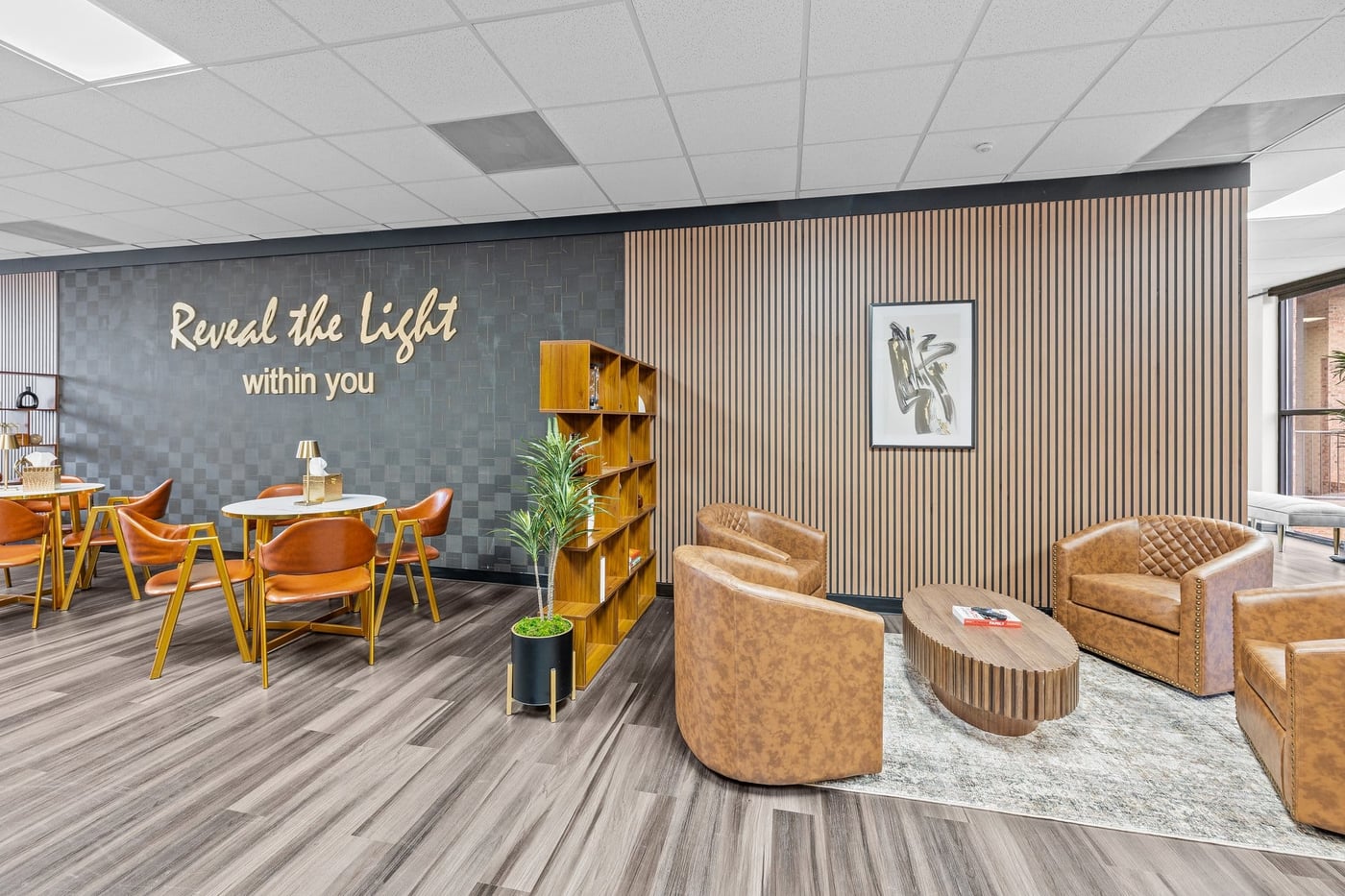
Charlotte Center
Our North Carolina outpatient location.
Learn moreRehab Serving Matthews
Outpatient addiction treatment for Matthews, Mecklenburg County.
Learn moreRehab Serving Huntersville
Outpatient addiction treatment for Huntersville, Mecklenburg County.
Learn moreRehab Serving Pineville
Outpatient addiction treatment for Pineville, Mecklenburg County.
Learn moreInvoluntary Commitment for Addiction in North Carolina
How North Carolina law (N.C.G.S. Chapter 122C) handles involuntary commitment for substance use.
Learn moreNorth Carolina Medicaid Coverage for Rehab
How North Carolina Medicaid covers addiction treatment.
Learn moreIf this is an emergency
If someone is in immediate danger or experiencing a life-threatening medical emergency such as a suspected overdose, call 911. For a mental health or suicidal crisis, reach trained counselors any time through the 988 Suicide and Crisis Lifeline. These crisis services are free and confidential, and you do not need insurance to use them.
Naloxone (Narcan), which reverses an opioid overdose, is available without a prescription at most pharmacies across Mecklenburg County. Carrying it is one of the most effective harm-reduction steps families can take when someone you know is struggling with opioid drug addiction or polysubstance use.
National hotlines for treatment and health support
Two national resources provide health support at any hour. The SAMHSA National Helpline is a free, confidential treatment-referral and information service for individuals and families facing substance abuse issues or mental health disorders. The 988 Suicide and Crisis Lifeline connects people in emotional distress with trained counselors who can point toward the path to recovery.
Both lines operate 24/7, in English and Spanish, with no insurance required. They are a practical first call when you need to understand local resources and services for adults before speaking with a provider.
- 988 Suicide and Crisis Lifeline: call or text 988 for 24/7 crisis support
- SAMHSA National Helpline: 1-800-662-4357, free, confidential, 24/7, for treatment referrals and information
Finding community resources through NC 211
NC 211, a free statewide service connected to the United Way, helps North Carolina residents find local health services. Dialing 211 connects you with trained specialists who can point you toward drug treatment, mental health services, housing, food assistance, and other local resources across the greater Charlotte area. NC 211 is a navigation line, not a crisis line, and is a useful first call when you are not sure where to start.
The Mecklenburg County government also acts as a resource center, publishing harm reduction information, overdose education, and substance abuse prevention programs for residents across Charlotte, Matthews, Huntersville, Pineville, and Mint Hill.
- NC 211: dial 211, free statewide connection to local health services
- Mecklenburg County Public Health: prevention programs and overdose education
North Carolina statewide and peer support lines
North Carolina operates several statewide lines that offer direct health and substance use challenges support. Hope4NC connects callers with free emotional health support and mental health resources. The Alcohol and Drug Council of North Carolina HopeLine helps residents find substance abuse treatment. The NC Peer Warmline is staffed by trained peer specialists with lived recovery experience.
Peer support sits alongside clinical care rather than replacing it. Many people in the Charlotte area call a warmline or a recovery center while working toward staying sober after completing an addiction treatment program or stepping down from a higher level of care.
- Hope4NC Helpline: 1-855-587-3463, free emotional health support and mental health resources
- Alcohol and Drug Council of North Carolina HopeLine: 1-800-688-4232, statewide substance use treatment referrals
- NC Peer Warmline: 1-855-733-7762, peer support staffed by specialists with lived experience
Addiction treatment programs available near Charlotte
The Charlotte area offers treatment programs spanning a full continuum, from drug rehab centers and a drug and alcohol rehabilitation center to community-based services for adults. Knowing the levels of care helps you choose the right setting and ask the right questions when comparing any treatment center.
Treating addiction as a disease of addiction means addressing both mental health and substance use together. Inpatient treatment and medical detox are appropriate when withdrawal from opioid and substance use or alcohol must be medically supervised. Once stable, comprehensive treatment continues through behavioral health services closer to home. Standard outpatient is the most flexible level, sustaining long-term recovery with weekly therapy and support. Intensive outpatient treatment provides structured group and individual sessions several times a week without overnight stays, fitting around work and family.
When comparing providers, look for licensed medical and clinical staff, a person-centered approach, evidence-based care, and clear answers about access to drug and alcohol services, insurance coverage, intervention services, and community partners for aftercare. Ask whether the program treats both substance use and mental health and substance use disorders in the same plan, and whether they can support people facing a DWI or court mandate.
- Medical detox: short-term, supervised withdrawal (coordinated placement with accredited partners)
- Inpatient treatment: 24-hour residential care (coordinated)
- Partial Care (PHP), ASAM Level 2.5: structured day treatment
- Intensive Outpatient (IOP), ASAM Level 2.1: several sessions per week
- Standard Outpatient (OP), ASAM Level 1.0: weekly therapy and relapse prevention
How North Carolina organizes behavioral health coverage
In North Carolina, behavioral health services are managed through the state Medicaid system. North Carolina expanded Medicaid in December 2023, opening access to more low-income adults, and coordinates specialized substance use, mental health, and developmental disability services through regional Local Management Entities and Managed Care Organizations (LME-MCOs). These entities help fund publicly available addiction treatment services to individuals without insurance who qualify for state-funded care.
Federal parity law also requires commercial insurance plans to cover medically necessary outpatient care comparably to other medical services. The LME-MCO serving Mecklenburg County is Cardinal Innovations Healthcare. Both the Mecklenburg County government and a treatment center can point callers toward current coverage options for a specific situation, and most major insurance providers cover PHP, IOP, and standard outpatient when medically necessary.
Outpatient care at The Archangel Centers serving Charlotte
The Archangel Centers is a licensed recovery center offering outpatient care to treat individuals across the greater Charlotte area, including Matthews, Huntersville, Pineville, Concord, and Gastonia. The program is founder-led with lived-experience leadership and a licensed clinical team delivering health and addiction treatment that addresses substance use and mental health together in one integrated, person-centered approach.
We provide the full continuum: PHP, IOP, and standard outpatient, within a holistic substance use framework using CBT, DBT, motivational interviewing, relapse prevention, and trauma-informed therapy and support. The program welcomes LGBTQIA clients and anyone struggling with addiction who is ready to build a lasting path to recovery.
We do not provide medical detox or residential care on site. When inpatient treatment is clinically needed first, we coordinate placement with accredited North Carolina partners so there is no gap before the step-down. We accept most insurance plans, are in-network with most major insurance providers, and North Carolina Medicaid covers medically necessary care for qualifying residents. Call (704) 820-4386 to verify your benefits.
Common questions
Where can I find addiction treatment resources in Mecklenburg County, NC?
Start with NC 211 (dial 211) for free navigation to local resources, or the SAMHSA National Helpline at 1-800-662-4357 for referrals and information. For licensed outpatient care in the Charlotte area, contact The Archangel Centers at (704) 820-4386. For an immediate crisis, call or text 988.
What number do I call for a mental health or suicidal crisis in North Carolina?
Call or text 988 to reach the 988 Suicide and Crisis Lifeline, available 24/7 with trained counselors. If someone is in immediate physical danger or may have overdosed, call 911. Both services are free and open to everyone regardless of insurance status.
How can I pay for drug rehab and substance abuse treatment in Mecklenburg County?
Most residents use private insurance. Federal parity law requires commercial plans to cover medically necessary substance abuse treatment comparably to other medical care. North Carolina Medicaid, expanded in December 2023, covers qualifying low-income adults. State-funded services, accessible through the LME-MCO network, help people without insurance. Crisis hotlines and NC 211 are always free to call.
What is the difference between inpatient treatment and outpatient care?
Inpatient treatment provides 24-hour residential care at a treatment facility, appropriate when withdrawal from alcohol addiction, opioids, or other substances must be medically supervised. Outpatient care, including intensive outpatient and partial care, provides structured therapy and support while you continue living at home. Most people with a substance abuse problem transition from inpatient to outpatient as their condition stabilizes.
Is there a peer recovery support line in Charlotte or Mecklenburg County?
Yes. The NC Peer Warmline at 1-855-733-7762 is staffed by trained peer specialists with lived experience. Local recovery support centers affiliated with the statewide network also serve Mecklenburg County. Peer connection works alongside clinical care to provide accountability and encouragement on the path to recovery.
Does The Archangel Centers treat mental health and substance use together?
Yes. We provide comprehensive treatment addressing co-occurring mental health disorders and substance use disorder in one integrated plan using CBT, DBT, individual therapy, and group therapy. Treating drug addiction or alcohol addiction alongside mental health disorders produces better long-term outcomes because untreated mental health conditions are a leading driver of relapse.
How do I start treatment at The Archangel Centers in the Charlotte area?
Call (704) 820-4386 to complete a confidential assessment and verify your benefits at no cost. We offer PHP, IOP, and standard outpatient care and coordinate medical detox or inpatient placement with accredited North Carolina partners when those levels are needed first. We accept most insurance plans and are in-network with most major insurance providers.
In-network with most major commercial insurance plans
Verification is free and confidential, with no obligation. We tell you exactly what is covered for outpatient care before you commit.
I had the honor of touring this facility, and it was absolutely beautiful, clean, and thoughtfully designed. But more than how it looked, you could feel the love in every detail. Watching the staff interact with clients genuinely touched my heart.
John PereiraVerified Google reviewArch Angels gave me my life back. Their team is the most amazing, caring people I have ever met. The groups are amazing and this whole program is amazing. If you are tired of being sick and tired, reach out and save your life.
Cisco AvilaVerified Google reviewThis facility is run by some of the best people you could ever ask for. They are extremely professional and truly dedicated to helping those struggling with mental health and addiction. They truly saved my life.
Priscilla SeamanikVerified Google review